FCT
World Bank ESF Team Conducts Technical Support Mission to FCT
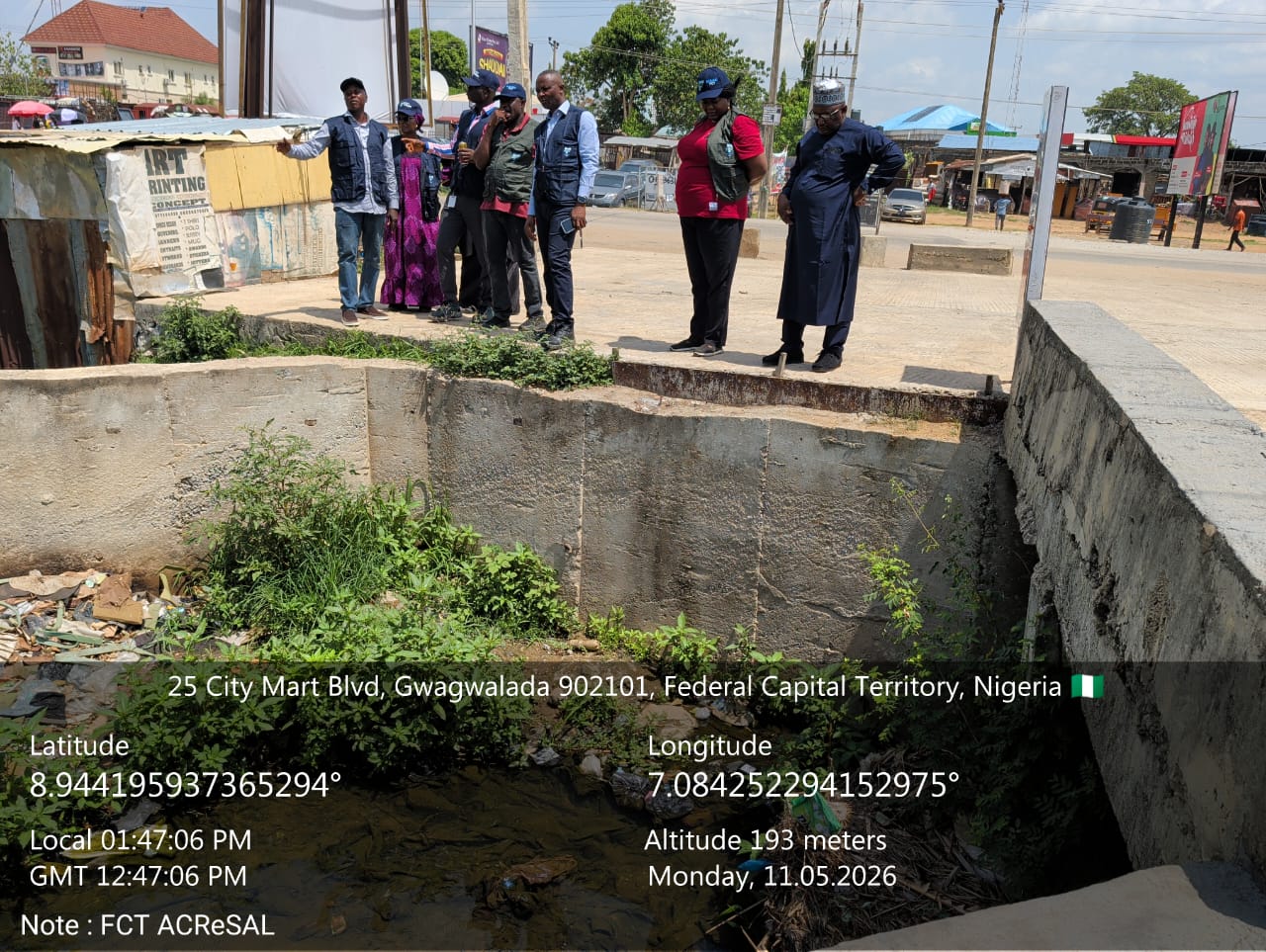
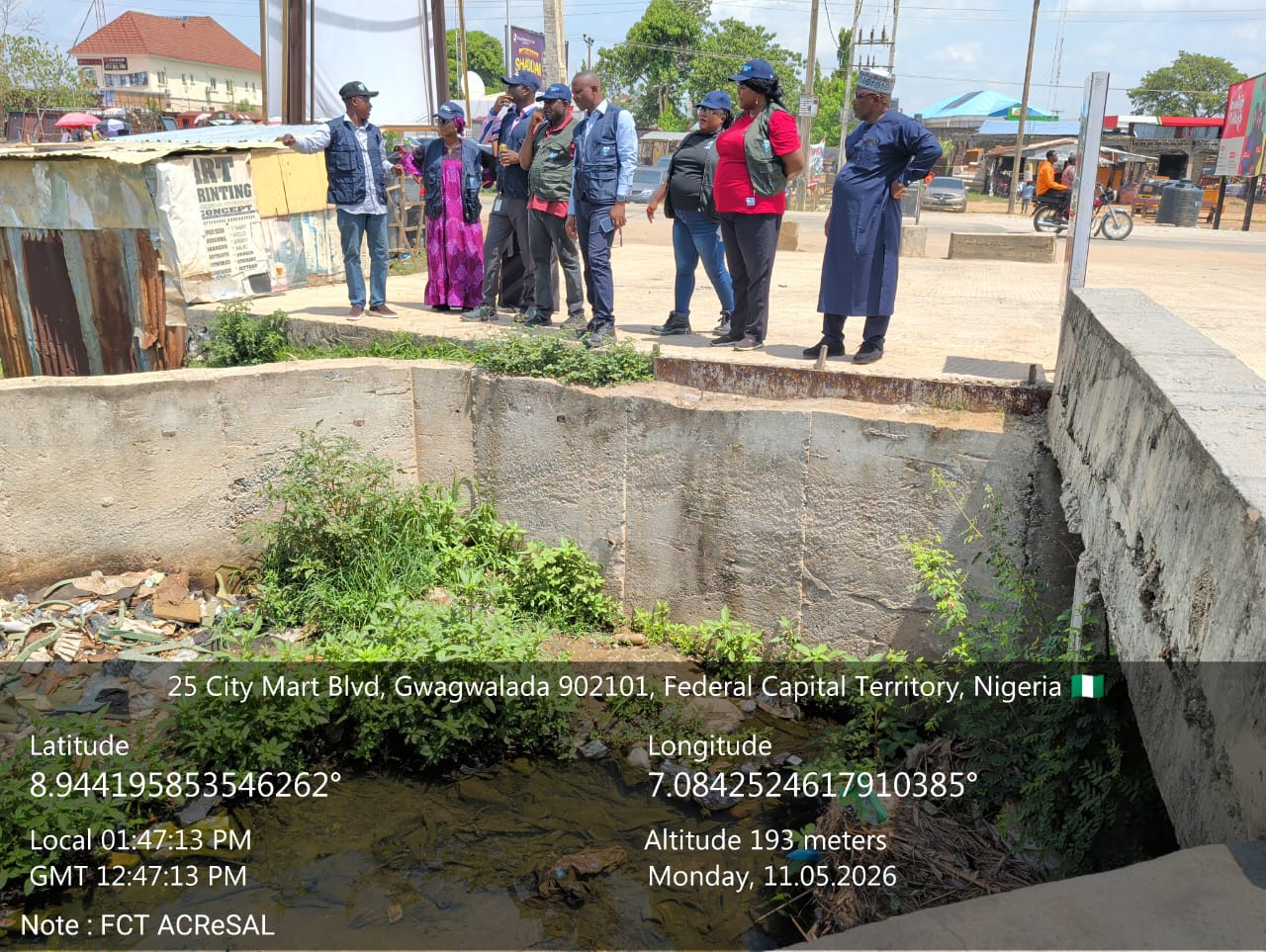
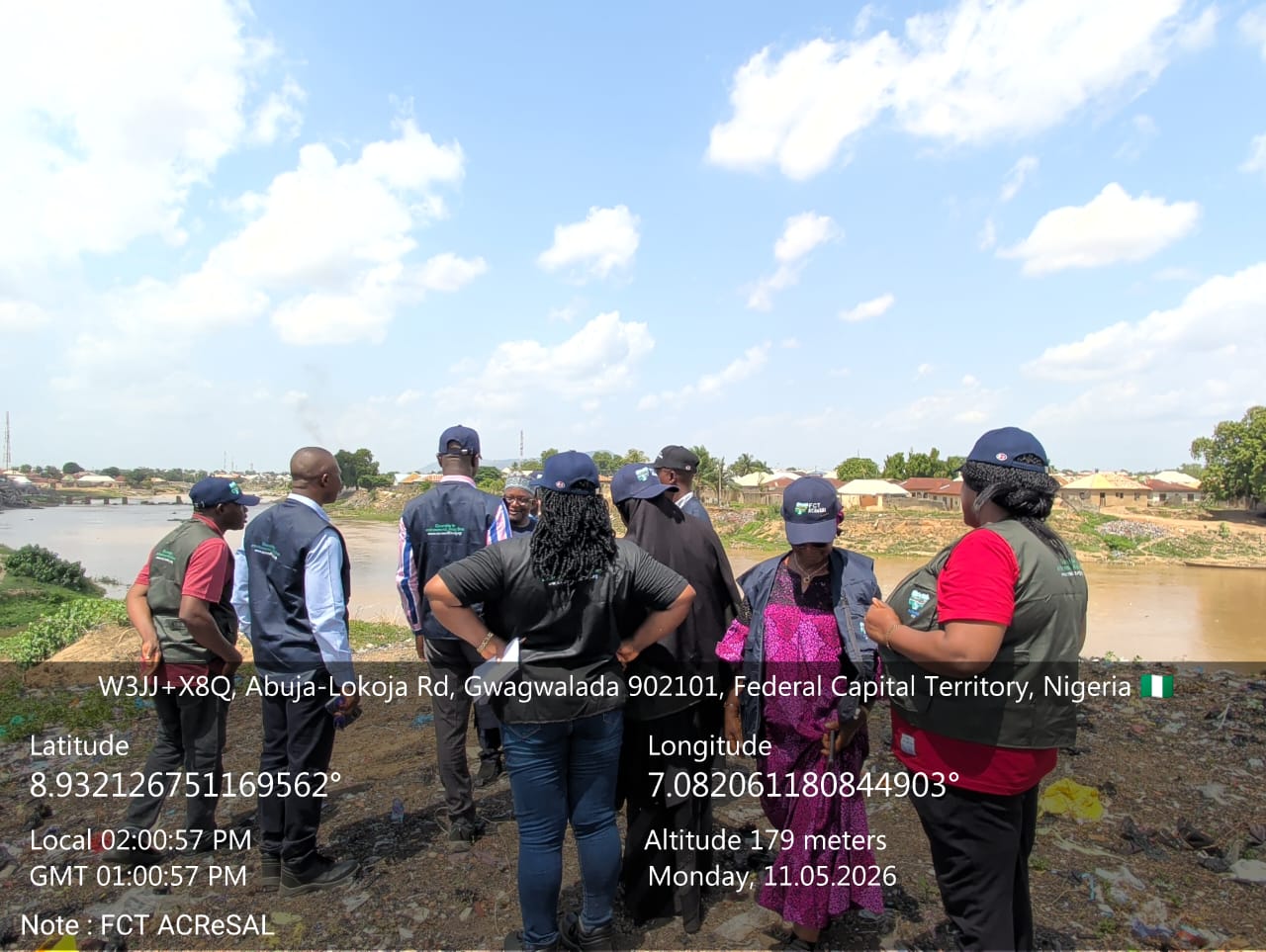
Ahead of the proposed FCT ACReSAL Project restoration of the gully erosion site in Gwagwalada, the World Bank Environmental and Social Framework (ESF) team carried out a mission in FCT to assess the project's compliance with global safeguard standards.
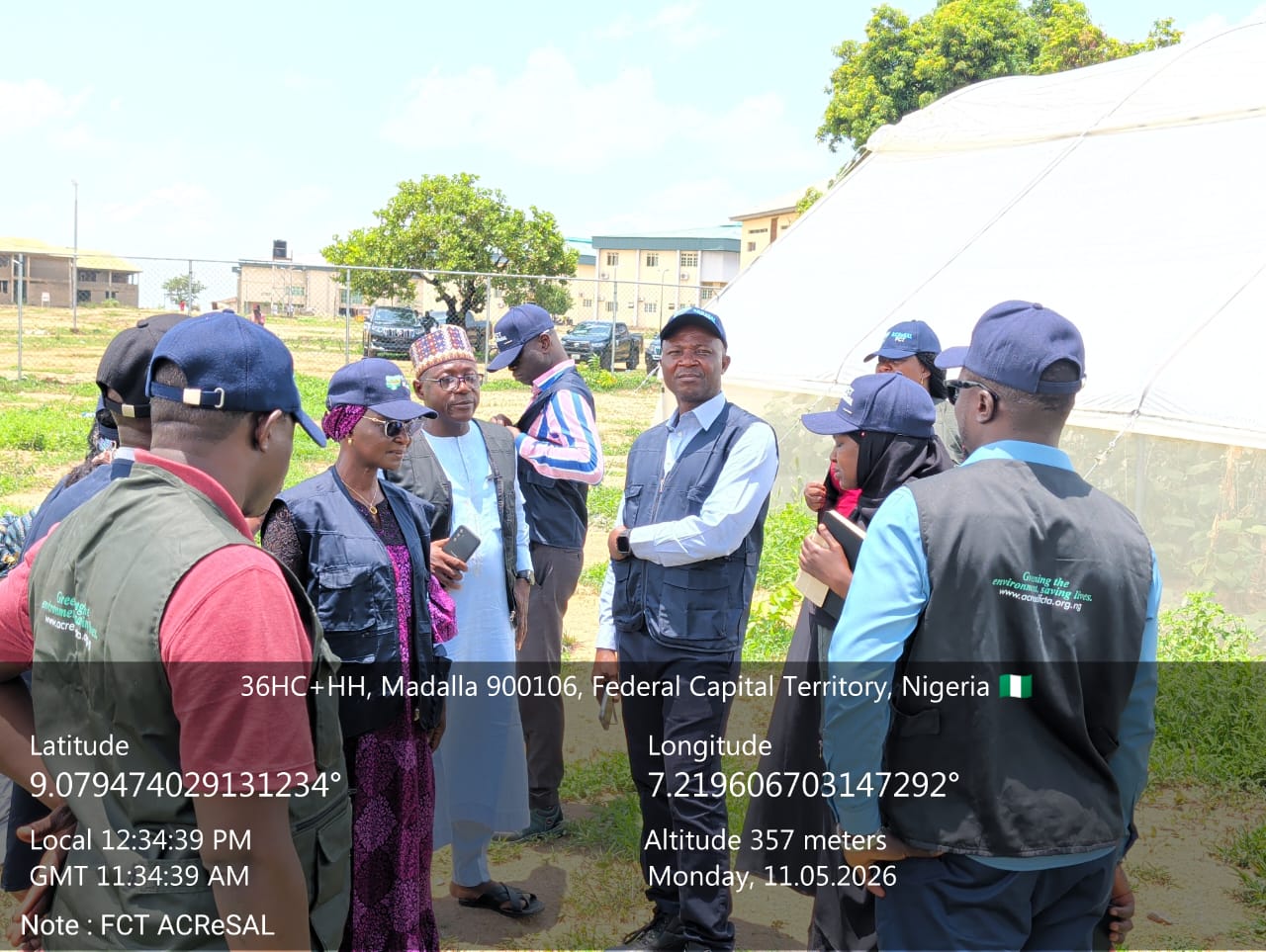
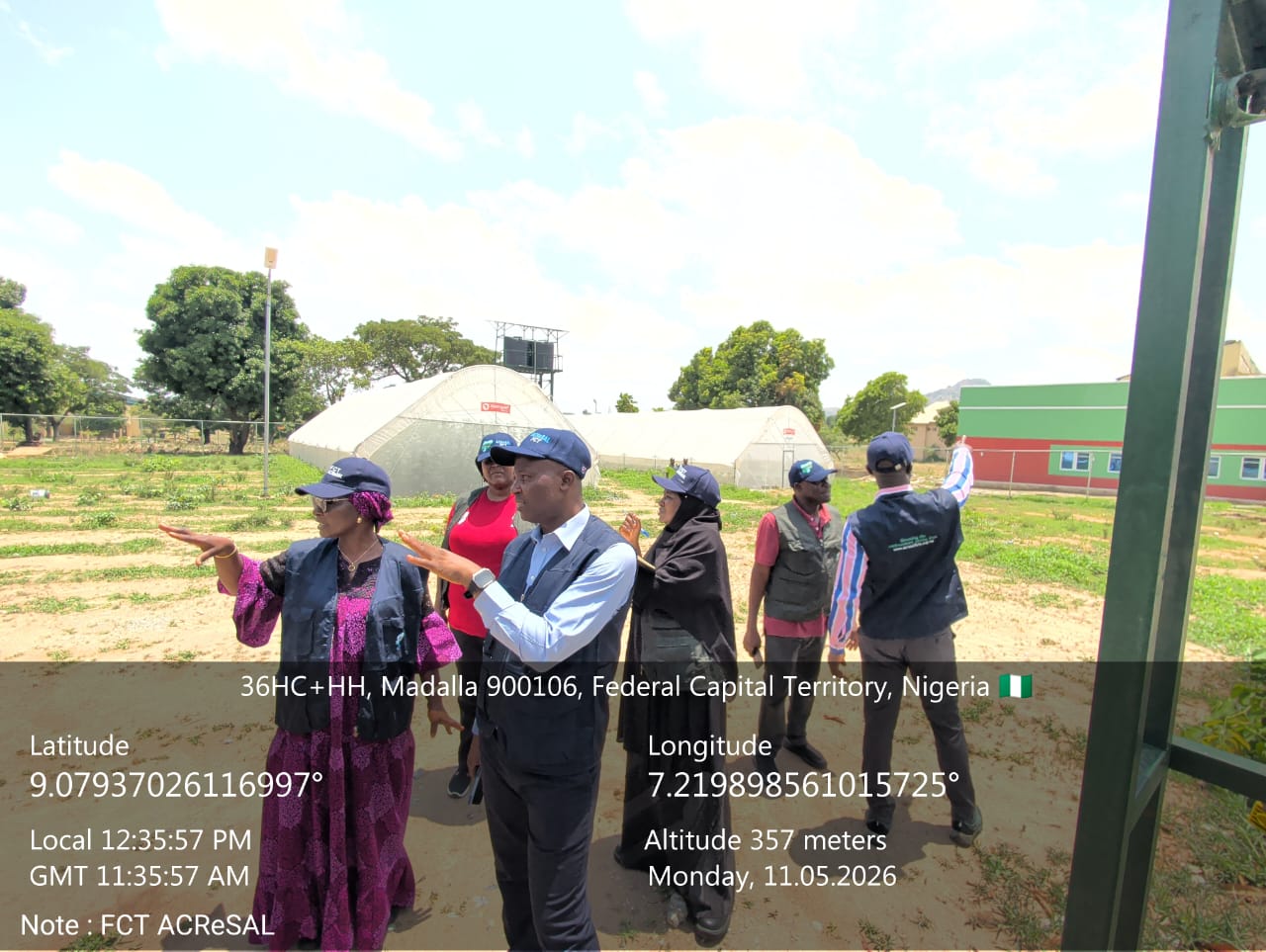
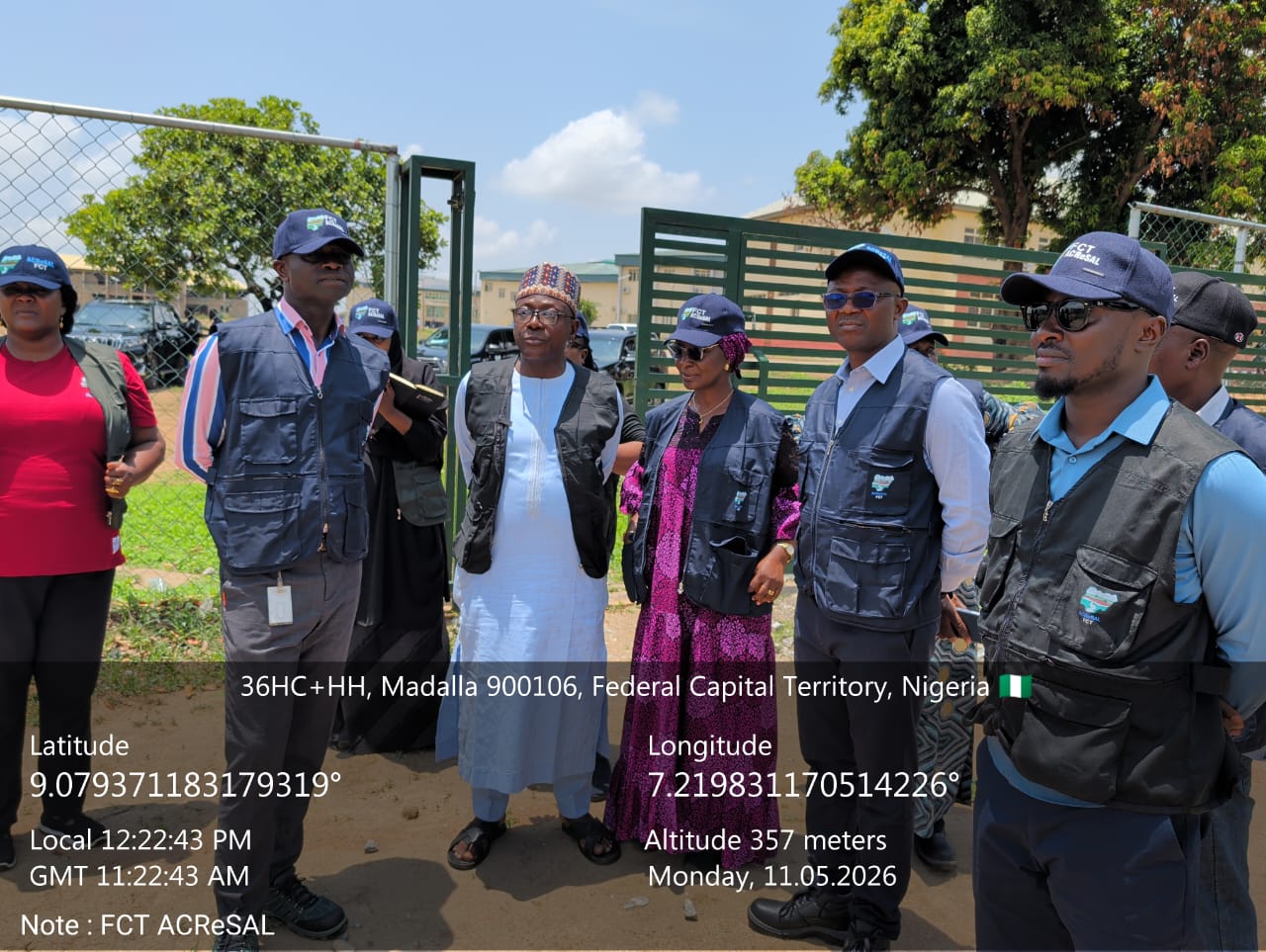
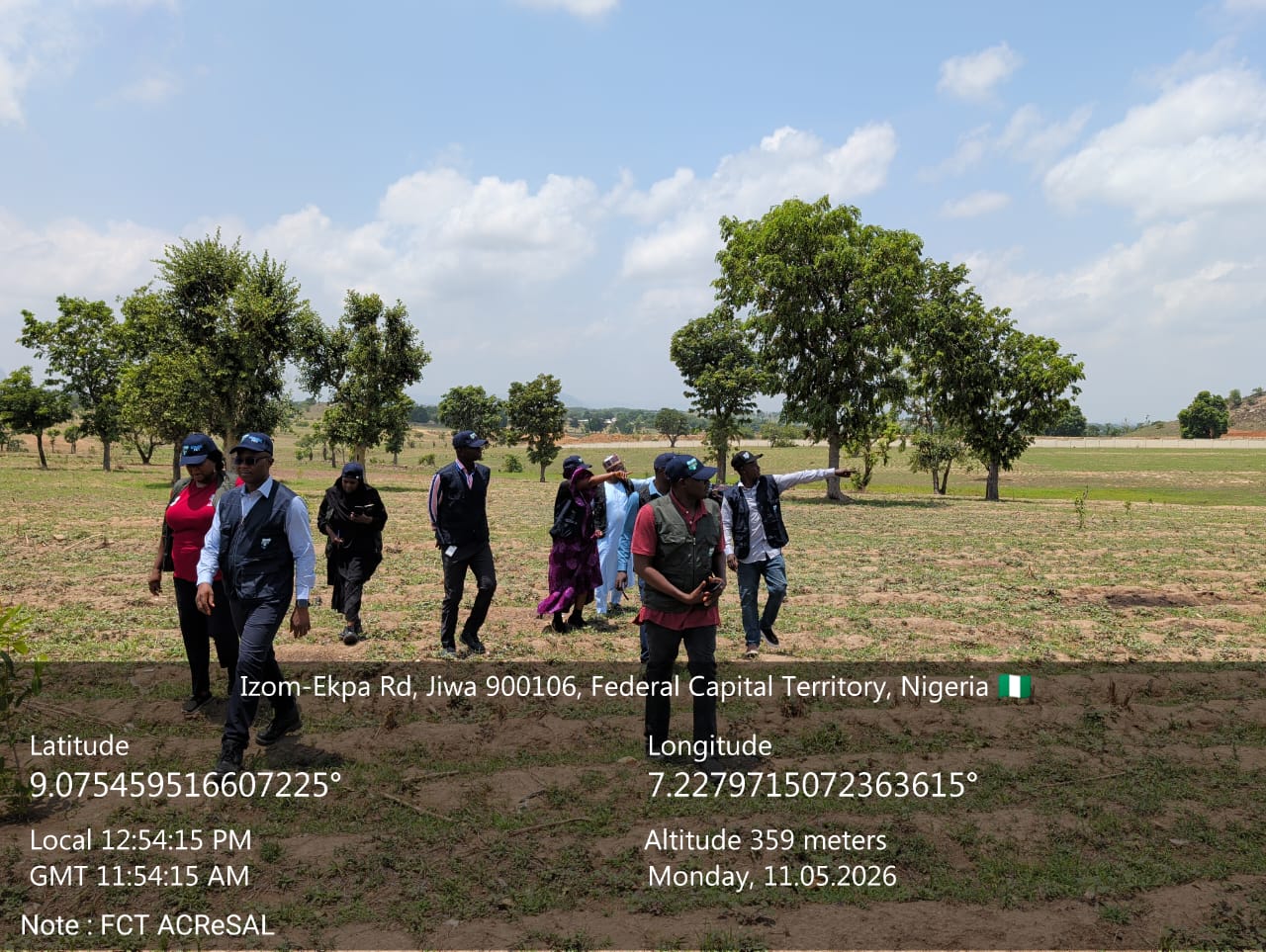
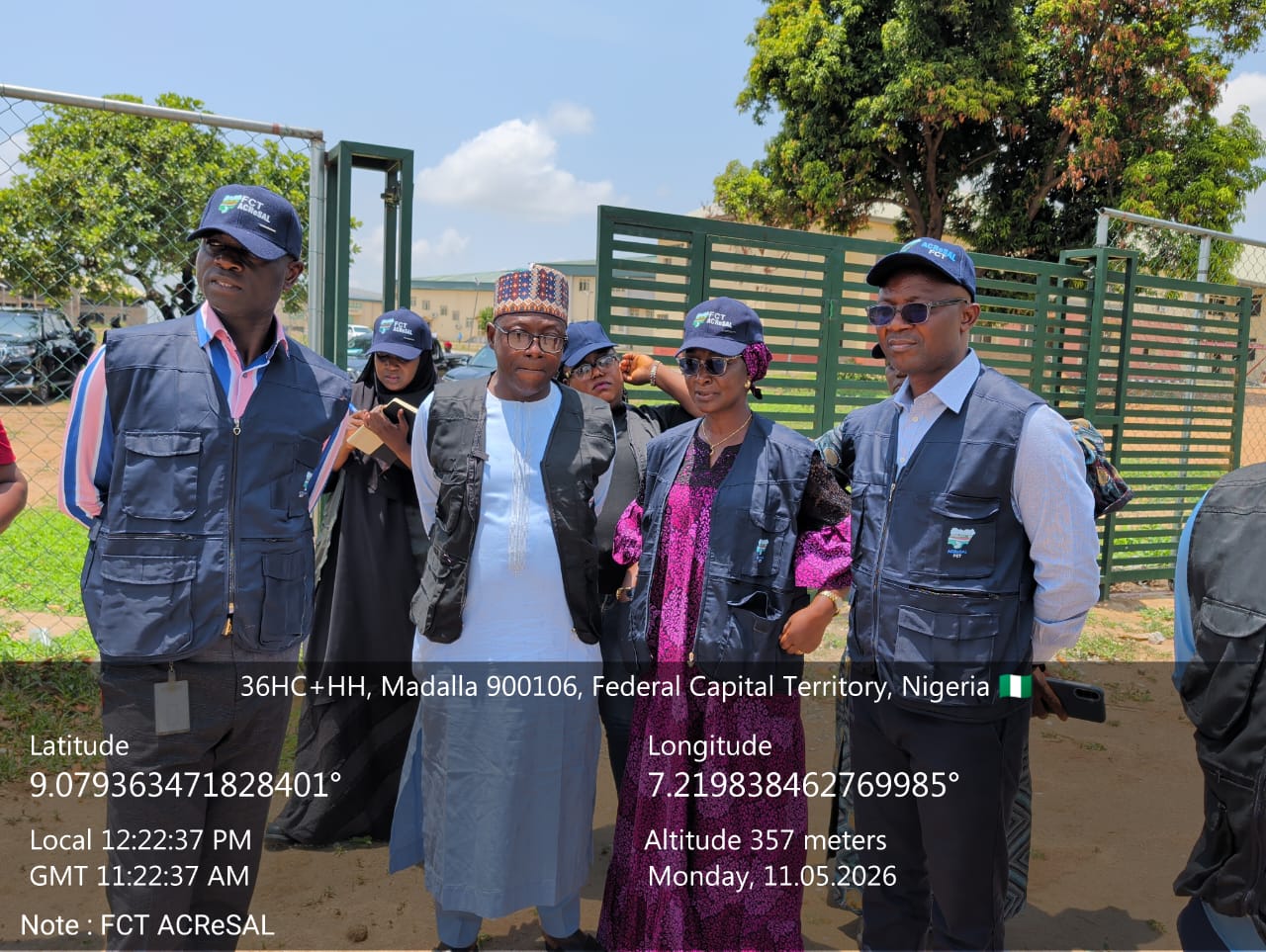
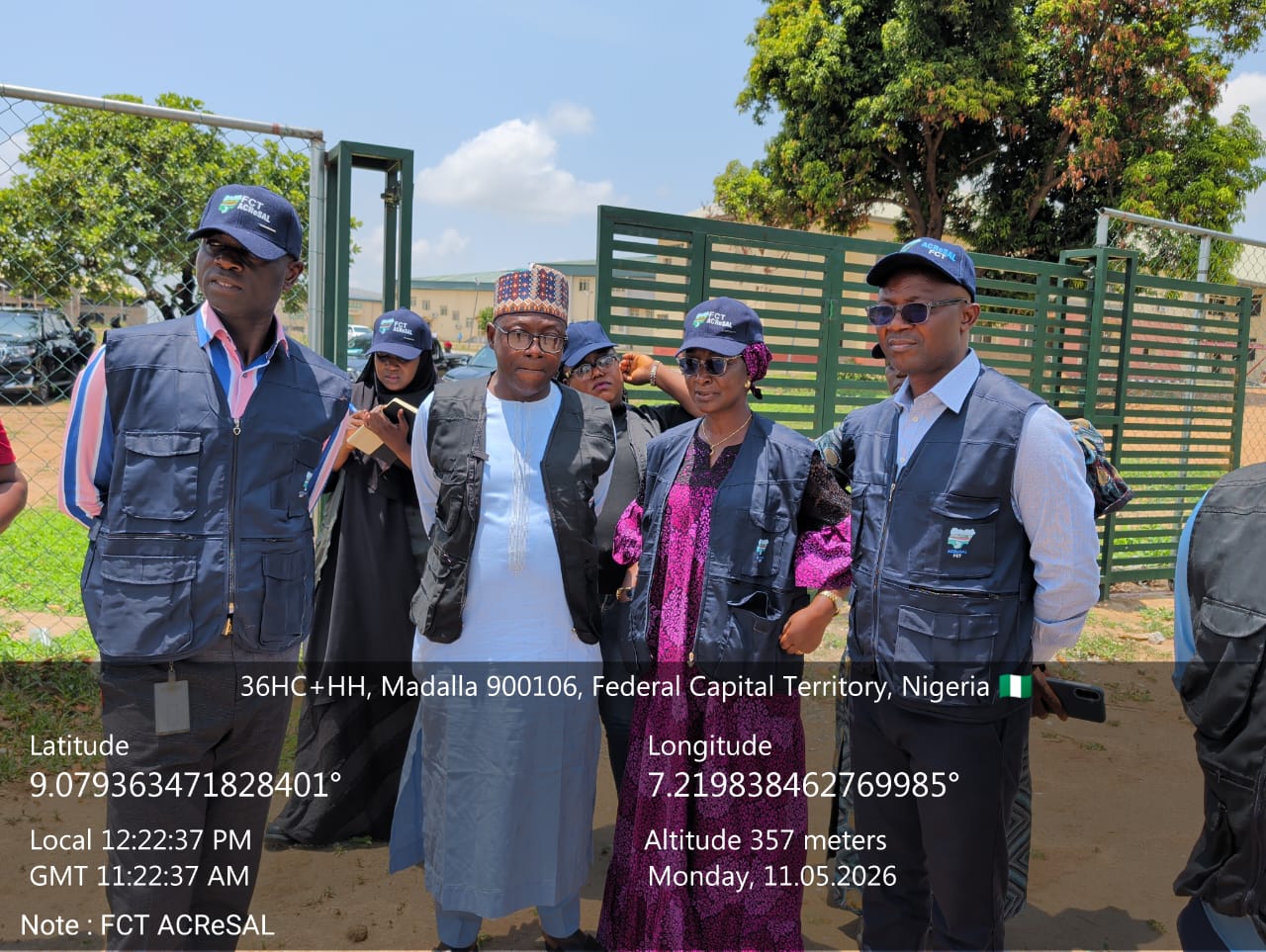
The ESF team which includes Mr. Elijah Siakpere(Senior Social Development Specialist at the World Bank)and Mr. Lucky Erhaze (Senior Environmental Safeguard Specialist), and the ESF team from the Federal Project Management Unit(FPMU) led by Mr. Attahiru Abdulkarim (Social Livelihood Specialist). The team inspected other ACReSAL project locations, which includes the completed greenhouse project at the College of Education, Zuba and the Women Cassava Processing Centre in Sheda.
"The main objective of this mission is to assess the Gwagwalada gully erosion site, review compliance with World Bank safeguard standards and engage directly with the project team," Attahiru said. "The team will verify progress on the ground, identify gaps and provide recommendations that will ensure the intervention is sustainable, environmentally sound, and socially inclusive."
Attahiru noted that while community engagement so far has been encouraging, continuous outreach will be necessary to minimize potential grievances during project implementation.
According to the FCT ACReSAL Project Coordinator, Mrs Caroline Opara, the Gwagwalada gully has been expanding for years due to uncontrolled runoff, destroying homes, farmlands, and access roads.
"Once completed, the community should expect reduced loss of land, protection of infrastructure, restoration of degraded land for agriculture, and improved safety for residents," Opara said.
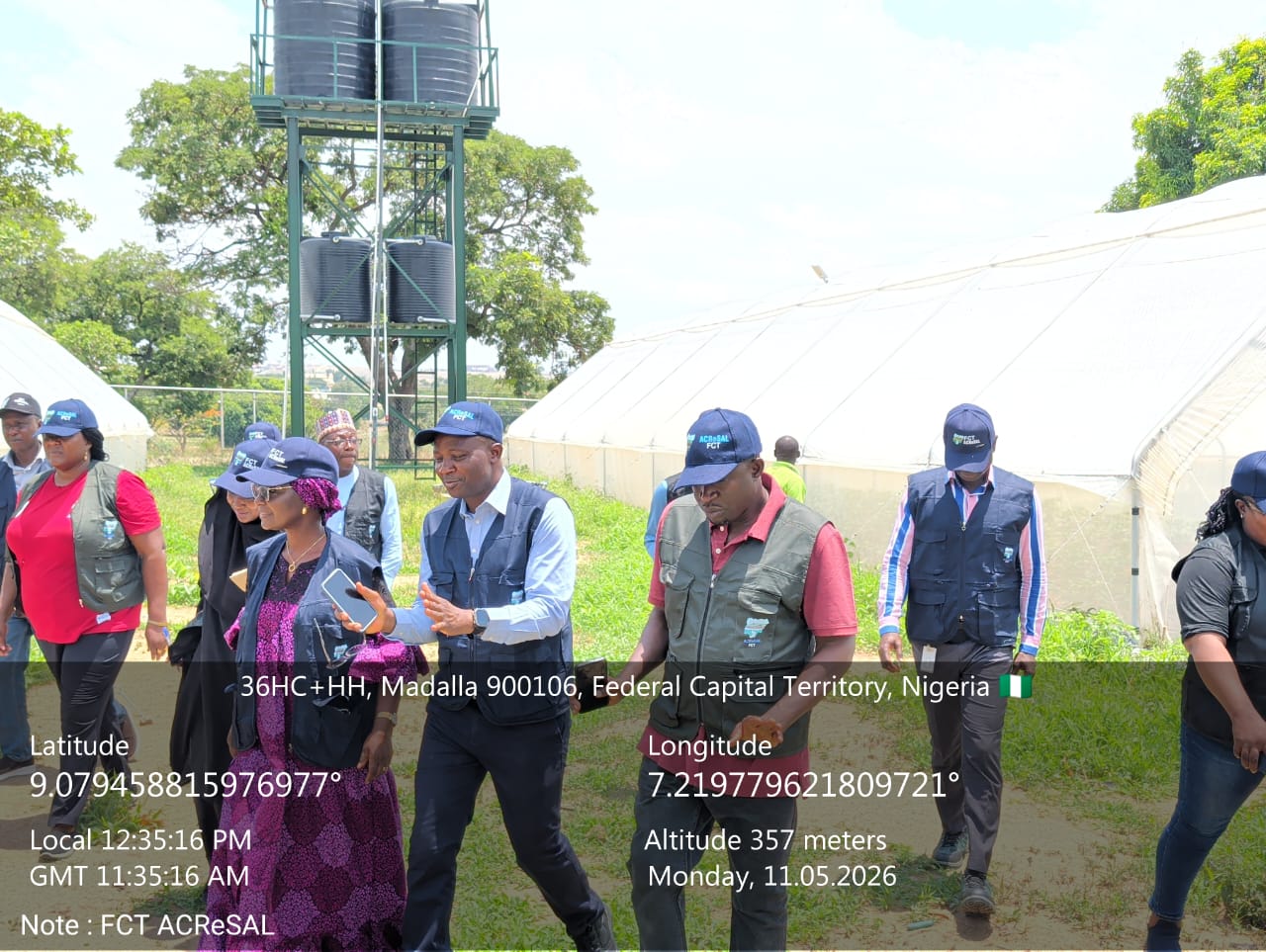
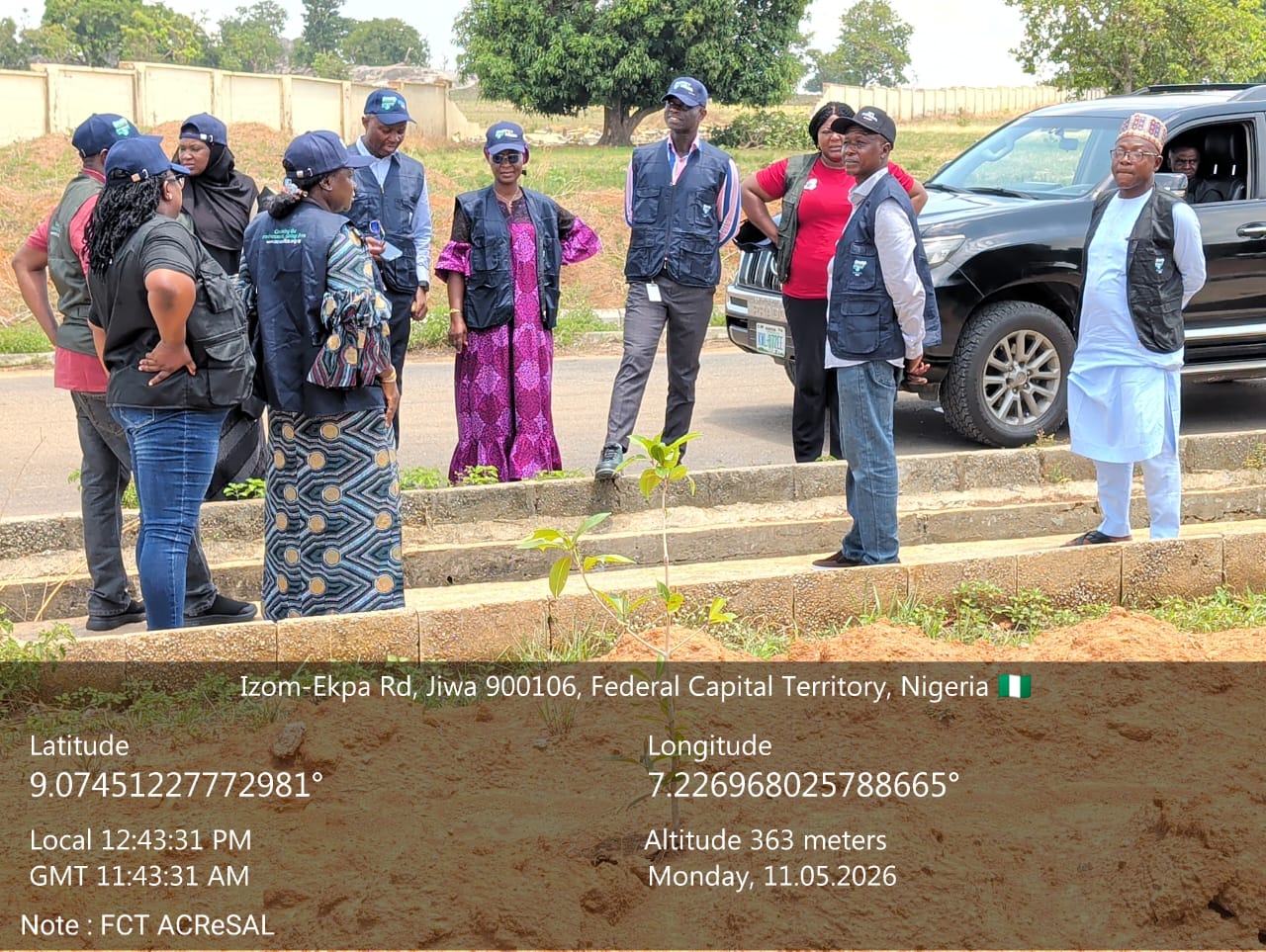
Earlier, the team visited the College of Education in Zuba, where they inspected the completed greenhouse project and the 118-hectare landscape restoration site. Opara described the greenhouse as a training and demonstration hub for students and farmers, while the restoration site focuses on tree planting and agroforestry to build resilience and restore productive land.
The visit concluded at the Women Cassava Processing Centre in Sheda, where the team assessed safety concerns and how the centre supports livelihood restoration and economic empowerment for women.
The ESF team which includes Mr. Elijah Siakpere(Senior Social Development Specialist at the World Bank)and Mr. Lucky Erhaze (Senior Environmental Safeguard Specialist), and the ESF team from the Federal Project Management Unit(FPMU) led by Mr. Attahiru Abdulkarim (Social Livelihood Specialist). The team inspected other ACReSAL project locations, which includes the completed greenhouse project at the College of Education, Zuba and the Women Cassava Processing Centre in Sheda.
"The main objective of this mission is to assess the Gwagwalada gully erosion site, review compliance with World Bank safeguard standards and engage directly with the project team," Attahiru said. "The team will verify progress on the ground, identify gaps and provide recommendations that will ensure the intervention is sustainable, environmentally sound, and socially inclusive."
Attahiru noted that while community engagement so far has been encouraging, continuous outreach will be necessary to minimize potential grievances during project implementation.
According to the FCT ACReSAL Project Coordinator, Mrs Caroline Opara, the Gwagwalada gully has been expanding for years due to uncontrolled runoff, destroying homes, farmlands, and access roads.
"Once completed, the community should expect reduced loss of land, protection of infrastructure, restoration of degraded land for agriculture, and improved safety for residents," Opara said.
Earlier, the team visited the College of Education in Zuba, where they inspected the completed greenhouse project and the 118-hectare landscape restoration site. Opara described the greenhouse as a training and demonstration hub for students and farmers, while the restoration site focuses on tree planting and agroforestry to build resilience and restore productive land.
The visit concluded at the Women Cassava Processing Centre in Sheda, where the team assessed safety concerns and how the centre supports livelihood restoration and economic empowerment for women.
Photo Gallery