FCT
ACReSAL Targets 2.65m Hectares for Sustainable Restoration Across Six States
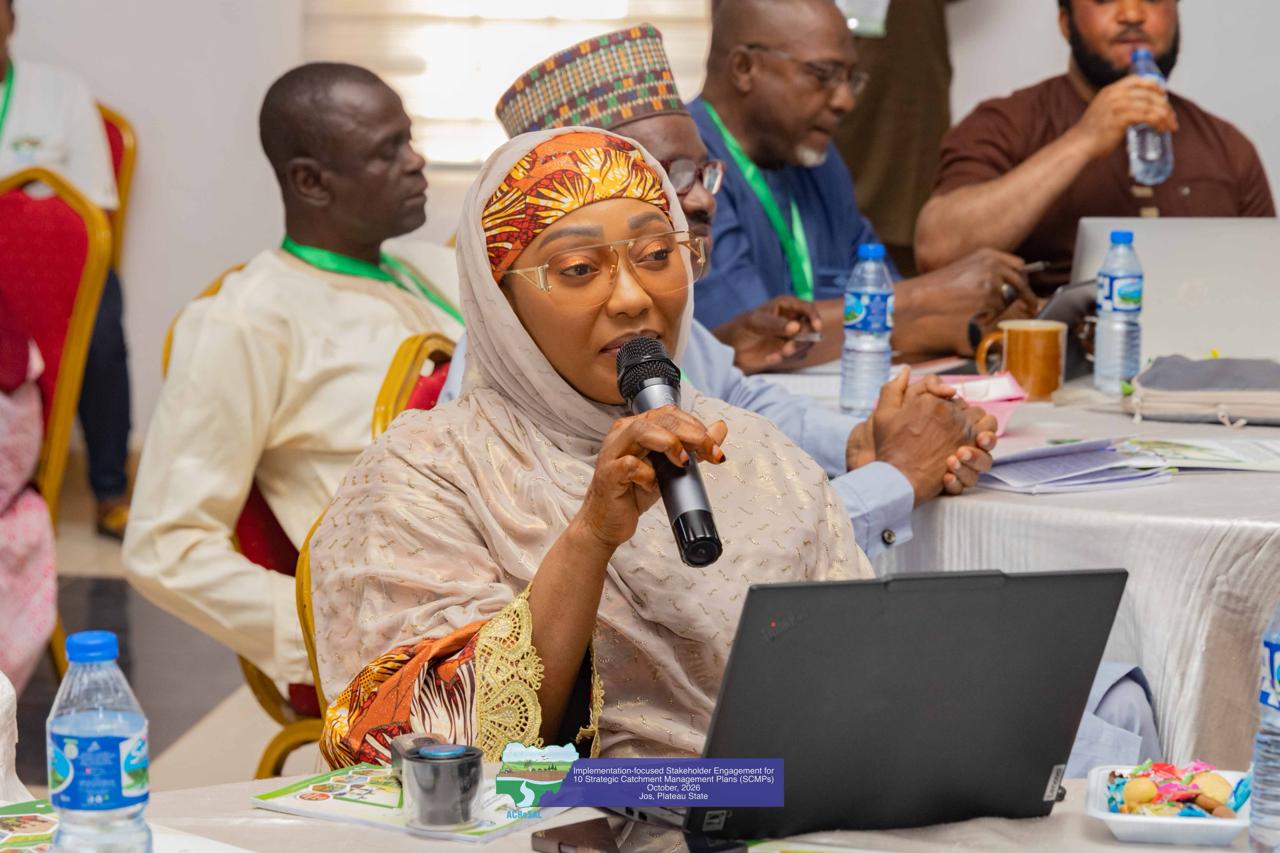
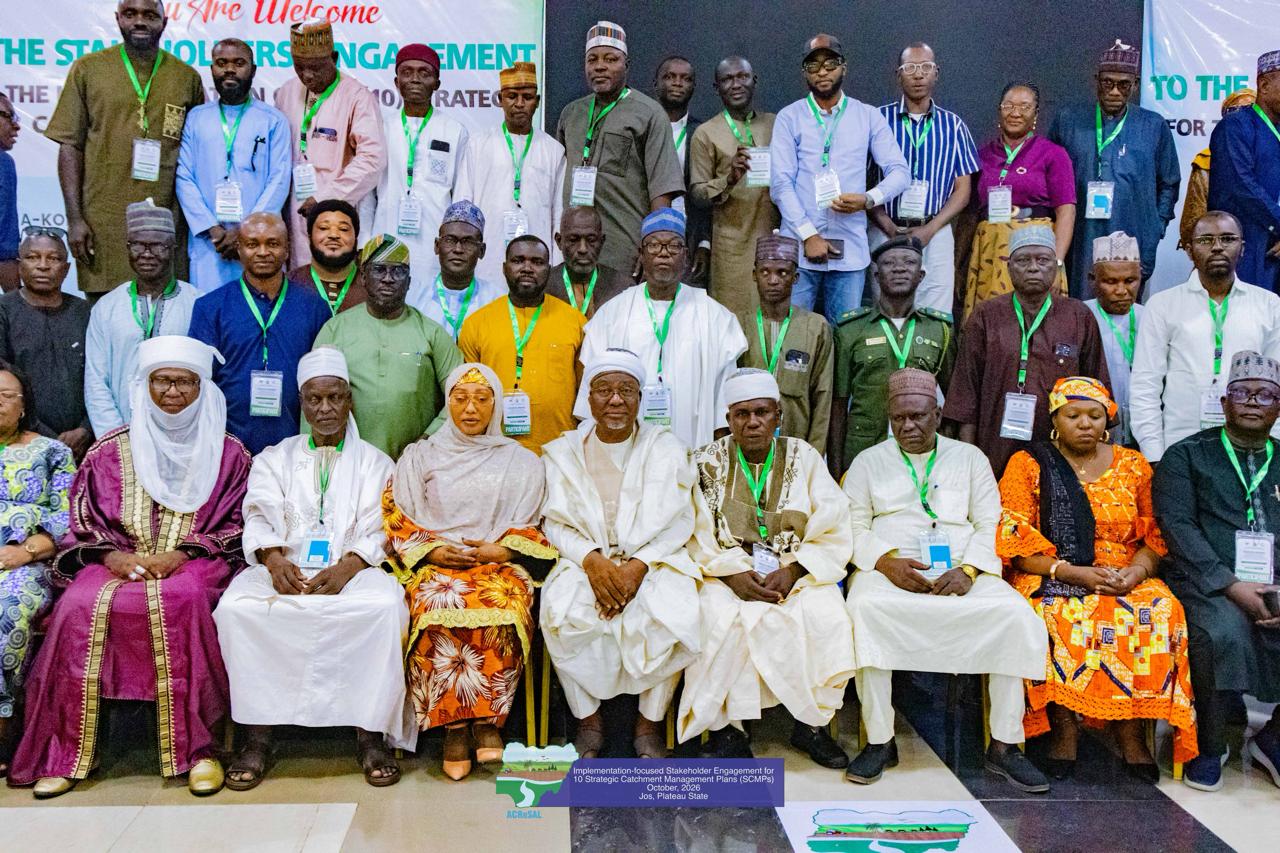
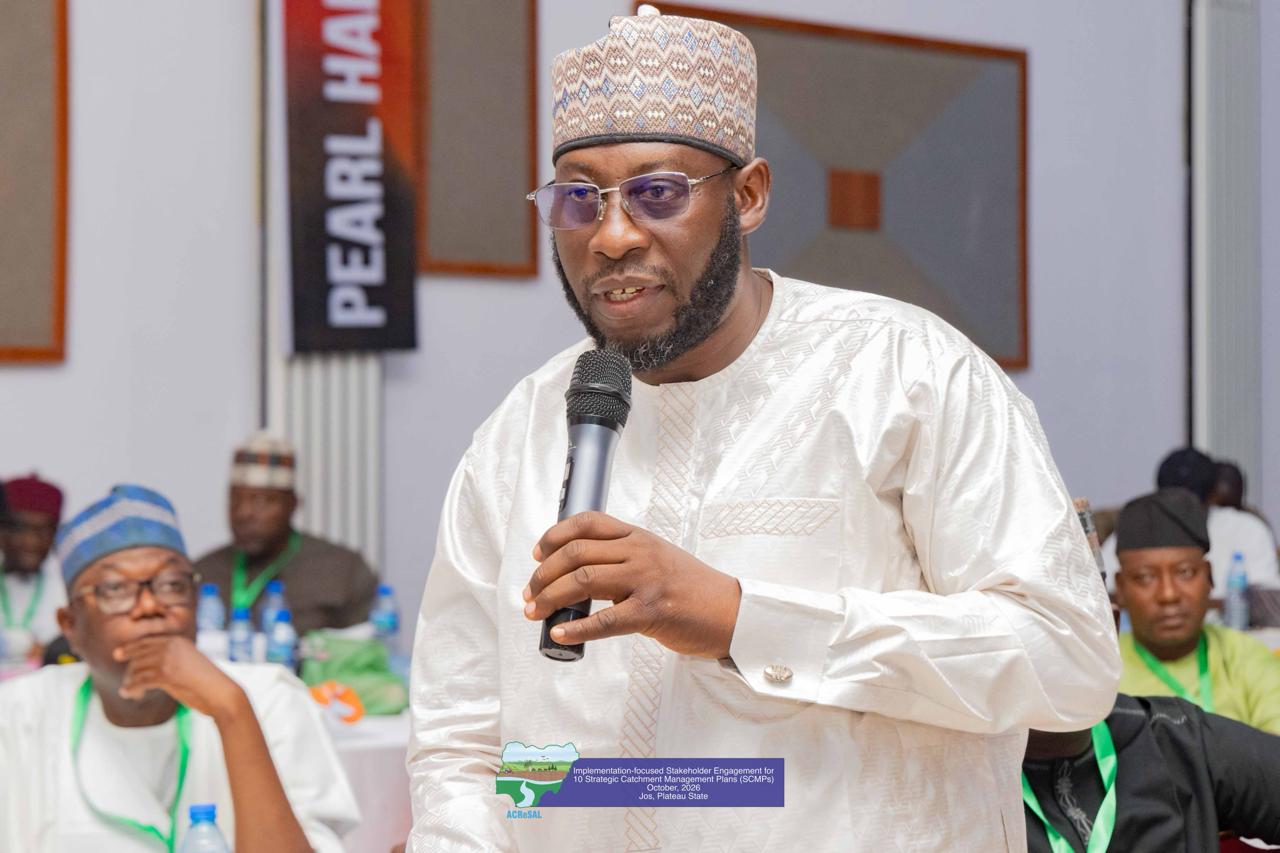
Jos — The World Bank has called for data-driven interventions and stronger community ownership to restore the Kaduna-Mariga Catchment, which covers 2.65 million hectares across six states and supports an estimated 11 million people.
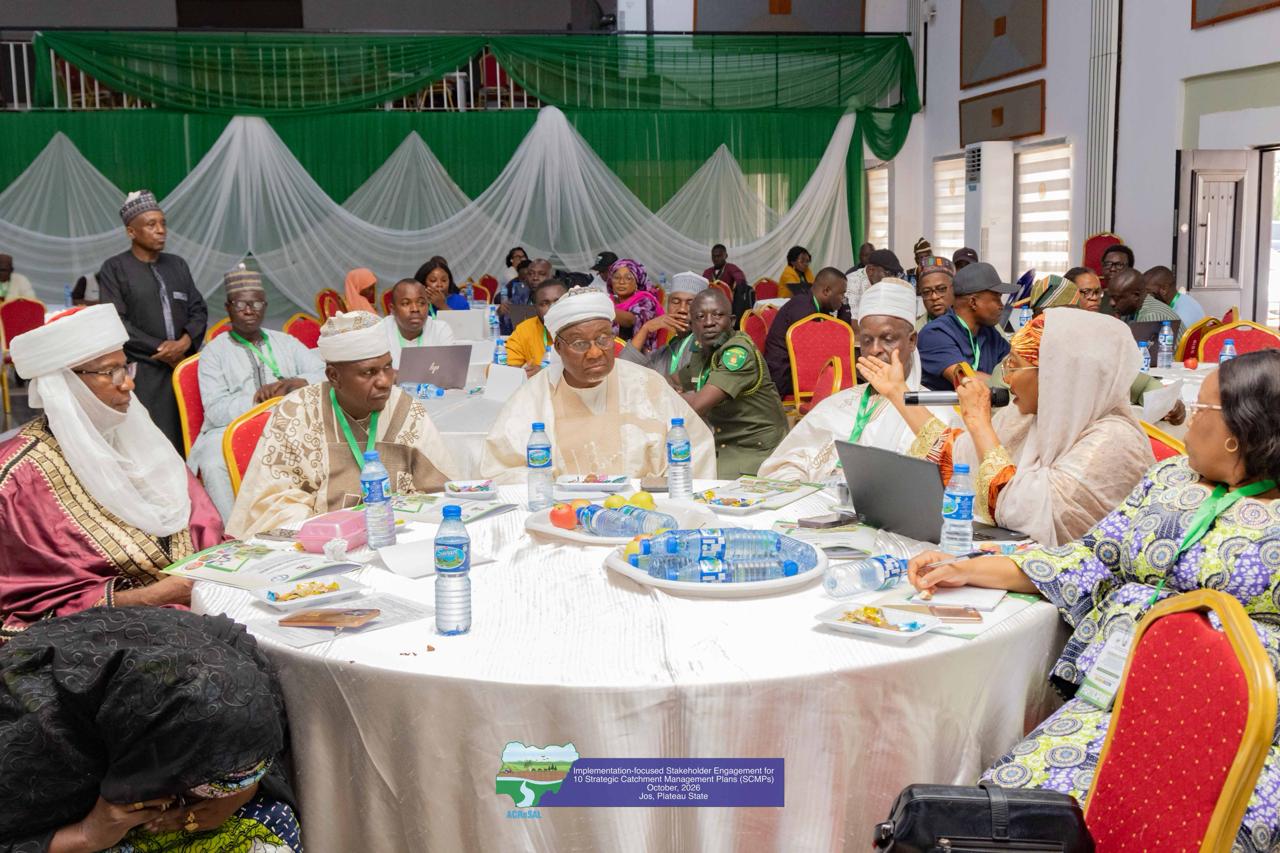
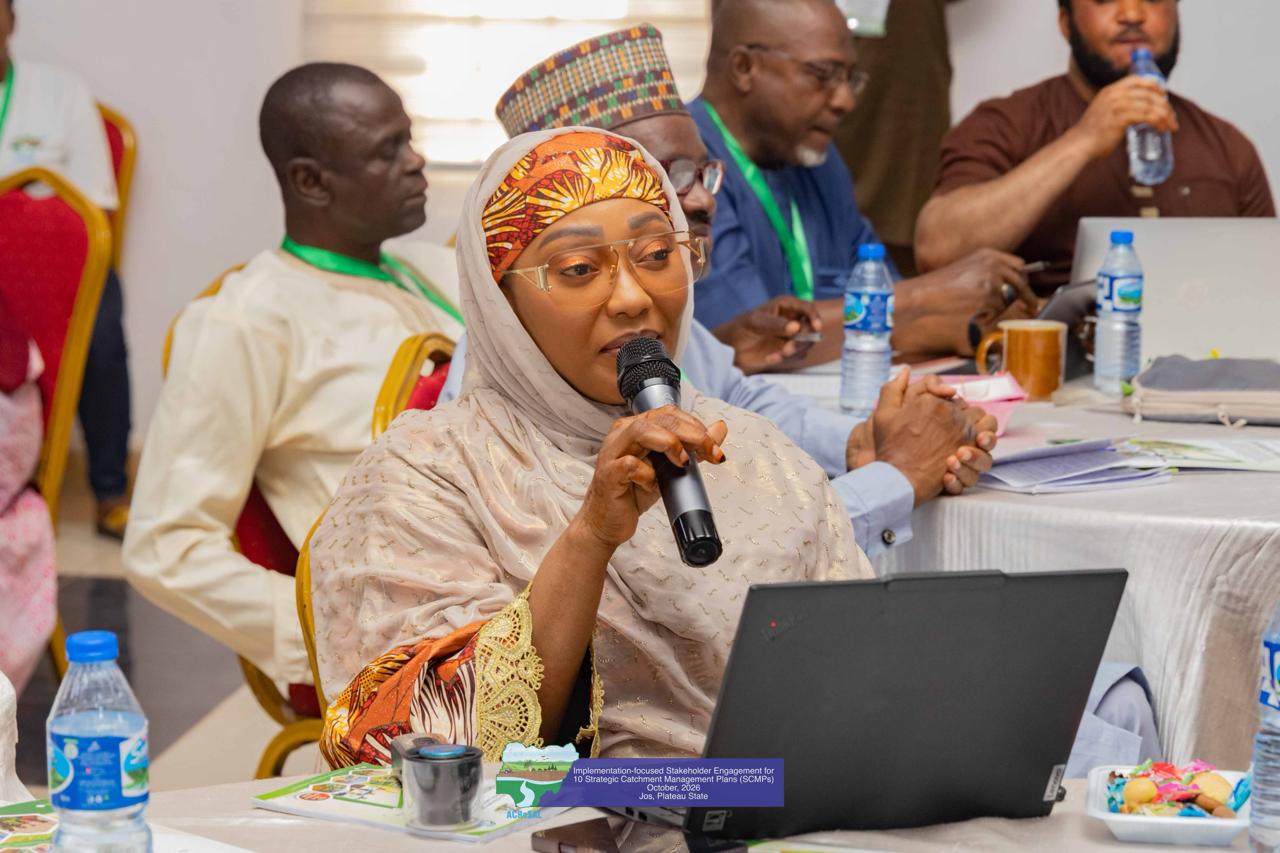
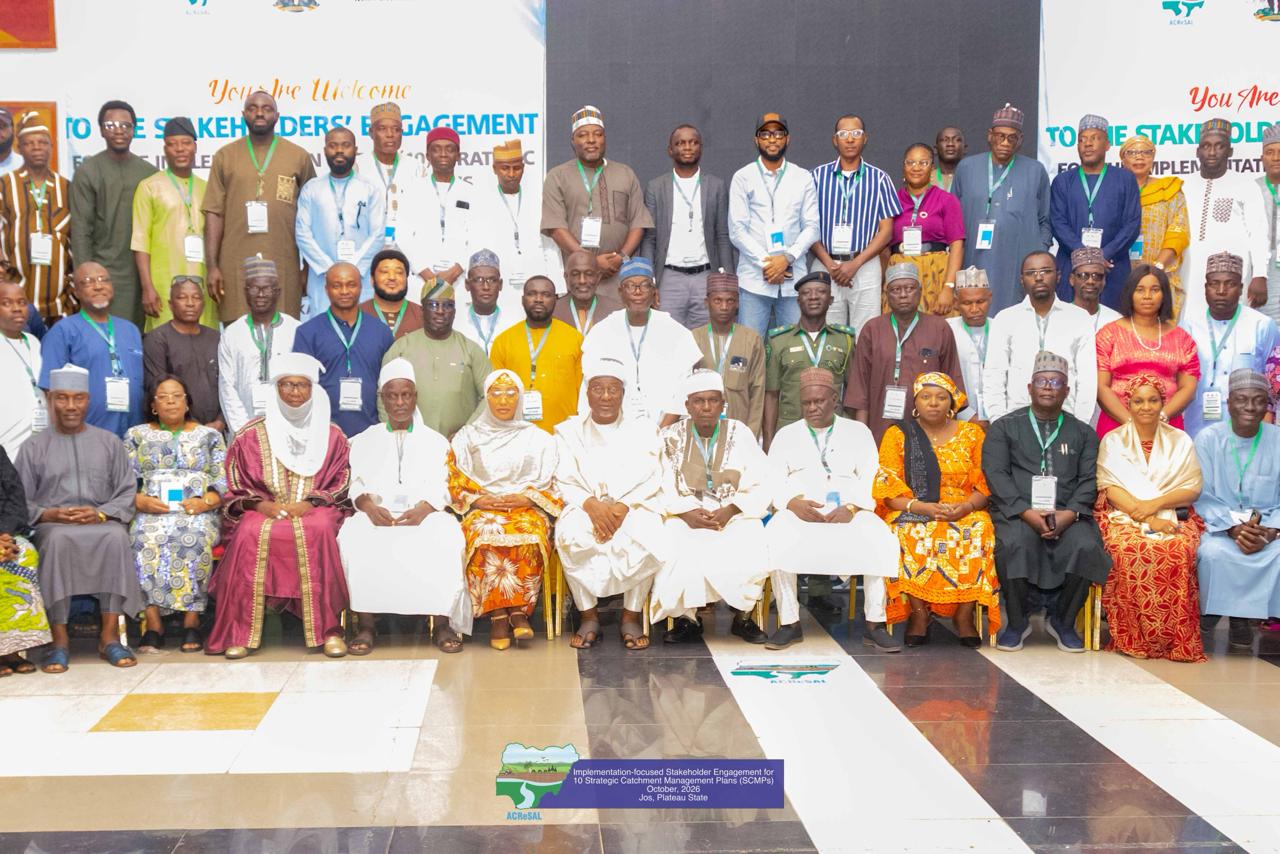
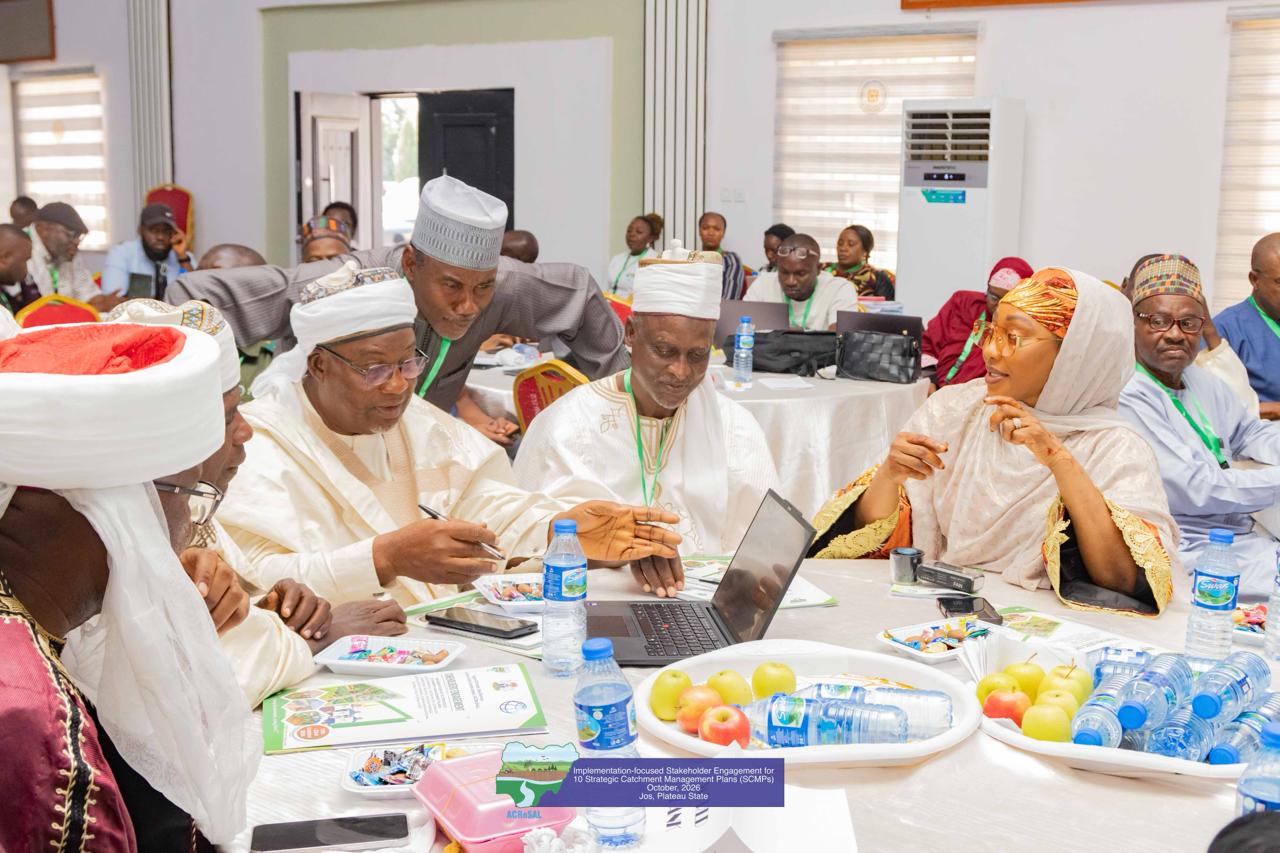
The Task Team Leader of the Agro-Climatic Resilience in Semi-Arid Landscapes (ACReSAL) Project and World Bank Senior Environment Specialist, Dr. Joy Iganya Agene, made the call during a Strategic Catchment Management Planning (SCMP) session for the Kaduna-Mariga Catchment in Jos.
Dr. Agene stressed that sustainable restoration requires more than infrastructure development, urging stakeholders to take collective responsibility for protecting restored landscapes.
“The project is not just about coming to fix and going with the contract,” she said, emphasizing the need for long-term community participation and collaboration across state boundaries.
Technical experts, including Dr. Chika Ofodile of MECON Geology and Engineering Services Limited and Mr. Sam Orji of the National Centre for Remote Sensing, Jos, presented findings covering 2,654,398 hectares across Niger, Kaduna, Zamfara, Katsina, Kebbi and Kwara states, comprising 38 Local Government Areas and 111 Federal Wards.
The assessment identified major environmental challenges, including water scarcity, flooding, soil erosion, deforestation, declining agricultural productivity, wetland degradation and mining-related environmental damage. These challenges also contribute to competition over natural resources, particularly between farmers and pastoralists.
The study highlighted differences in groundwater availability across the catchment, noting that the rocky upper and middle sections have limited groundwater potential, while the sedimentary lower catchment offers better prospects for groundwater development and irrigation.
It also identified high-priority intervention zones covering approximately 12.03 per cent of the catchment, where multiple environmental challenges overlap. The findings are expected to guide governments, traditional institutions and other stakeholders in project interventions.
Photo Gallery